

Harriot Kezia Hunt
She was 69 years old
Photos
Birth Date
Death Date
Details
Biography
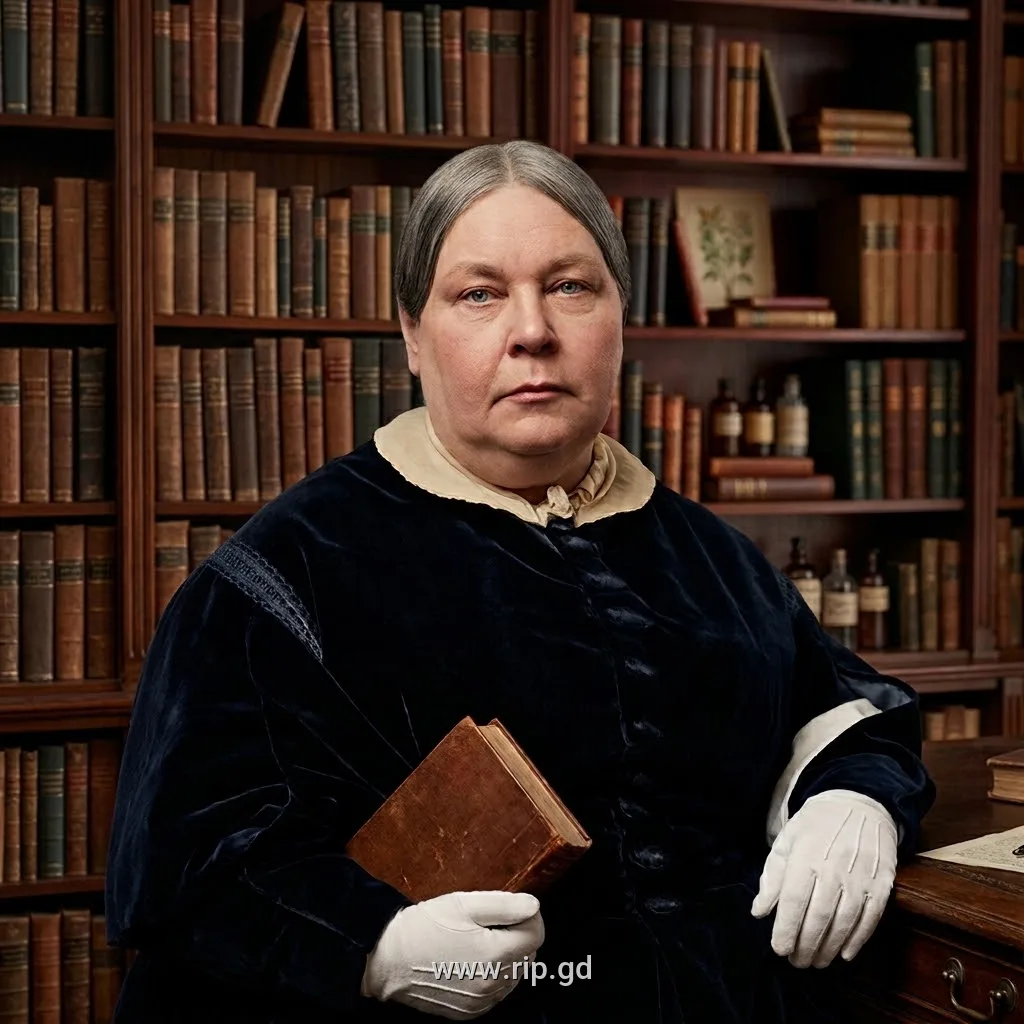
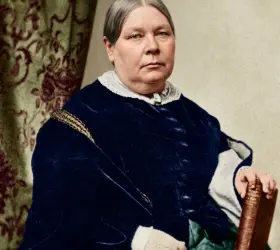
Harriot Kezia Hunt was a pioneering American physician, women's rights advocate, and social reformer. Operating in 19th-century Boston, she established herself as the first woman to build a successful, self-sustaining medical practice in the United States, overcoming intense institutional opposition to pave the path for future generations of female healers.
Early Life and Path to Medicine
Born in Boston on November 9, 1805, Harriot grew up in a supportive household that valued education and self-reliance. Following the death of her father, she worked as a teacher alongside her sister, Sarah. However, a severe, prolonged illness suffered by Sarah shifted Harriot's calling. Unimpressed by the harsh and often counterproductive treatments offered by conventional physicians of the era, the sisters sought alternative care under the guidance of Dr. Richard Dixon and his wife, who practiced hydrotherapy and herbal medicine.
Fascinated by holistic health and clinical care, Harriot spent years studying under the Dixons. By 1835, despite having no formal medical degree available to women at the time, she opened her own clinical practice in Boston, focusing primarily on the healthcare and hygiene of women and children.
Institutional Barriers and Activism
Recognizing the importance of formal accreditation, Hunt applied for admission to Harvard Medical School in 1847. Dean Oliver Wendell Holmes Sr. was open to her entry, but intense pushback from the all-male student body forced her to withdraw her application. Undeterred, she reapplied in 1850 and was initially accepted alongside a small group of Black students, but violent student protests once again halted their enrollment.
Despite being denied formal institutional standing by traditional academia, her reputation as an effective, compassionate practitioner grew rapidly. In 1853, the Female Medical College of Pennsylvania recognized her decades of dedicated clinical work and self-directed study by awarding her an honorary Doctor of Medicine degree.
Beyond her clinical work, Hunt was a fierce advocate for civic reform. As a property-owning woman denied the right to vote, she submitted an annual protest to the City of Boston alongside her property tax payments, arguing that taxation without political representation was unconstitutional. She was also a prominent speaker at the early National Woman's Rights Conventions and an active abolitionist.
Hunt never married or had children, choosing instead to remain entirely dedicated to her medical practice, personal independence, and advocacy for social equality.
Later Years and Legacy
In her later years, Hunt arranged for her own memorial at Mount Auburn Cemetery in Cambridge, Massachusetts, commissioning a statue of Hygeia, the Greek goddess of health, crafted by renowned African American and Native American sculptor Edmonia Lewis.
Harriot Kezia Hunt passed away from Bright's disease in Boston on January 2, 1875, at the age of 69. Her legacy endures as a courageously independent spirit who opened the doors of medicine and public advocacy to American women.
Memory Messages
Login to leave a message